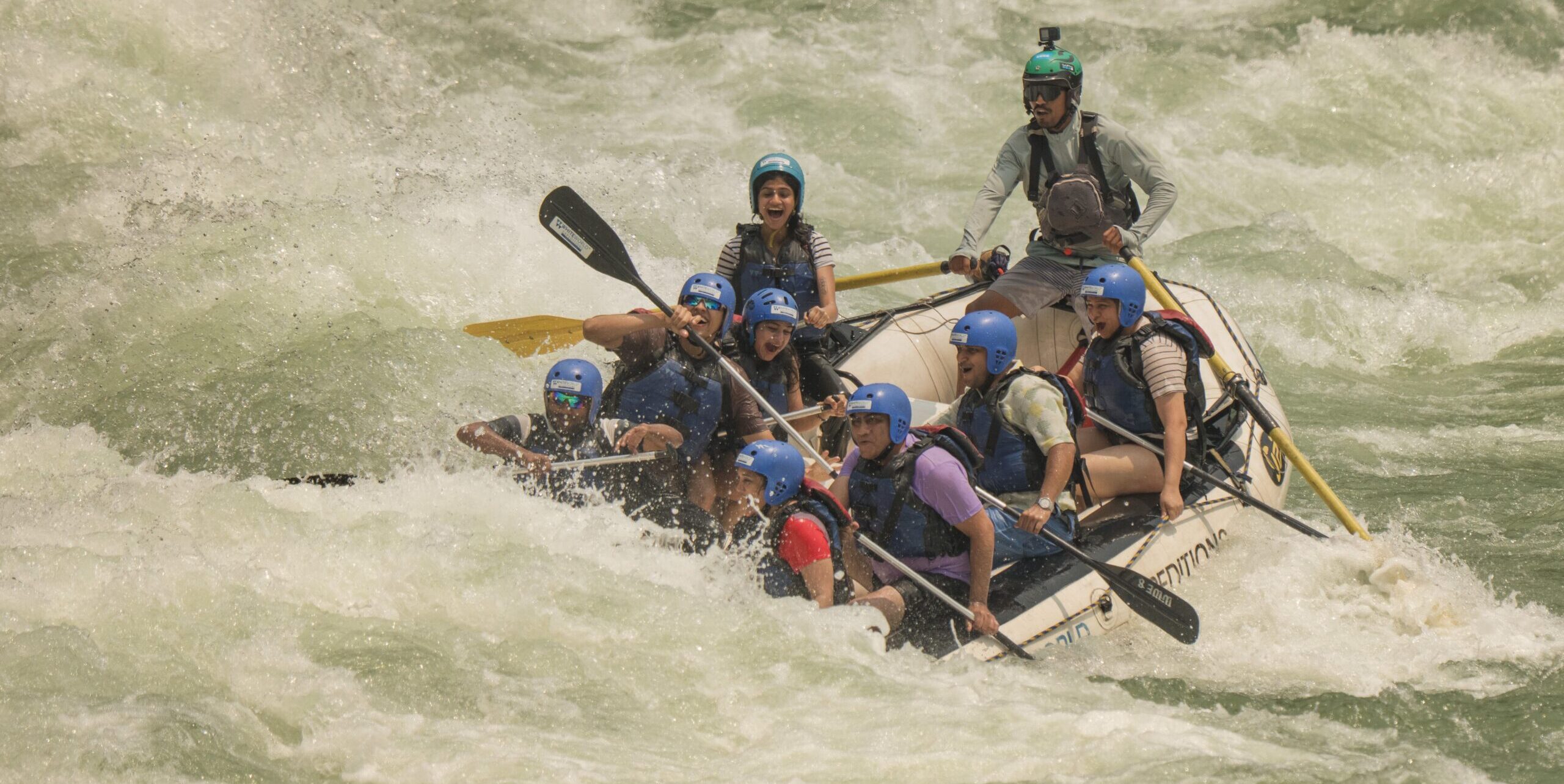

Brahmaputra River Rafting: 180 KM Through India’s Most Inaccessible Gorges

There’s a river so powerful, so remote, that it carves through tropical gorges no road can reach. The Brahmaputra — known locally as the Siang in Arunachal Pradesh — thunders down from Tibet, cutting through the world’s deepest canyon before entering India near the Chinese border. What awaits is 180 kilometers of Grade IV-VI whitewater through the Marmong and Ninguing Gorges — ranked among the most inaccessible tropical rainforest gorges on Earth. This isn’t a rafting trip. This is India’s most challenging whitewater expedition, and it will change how you see rivers forever.

Why Brahmaputra is India’s Most Powerful River

The Brahmaputra isn’t just another river — it’s a force of nature that has shaped civilizations, carved through the world’s highest mountains, and created some of the most dramatic landscapes on Earth. Before you understand Brahmaputra river rafting, you need to understand the river itself.

A River of Many Names

The Brahmaputra travels 3,848 kilometers from source to sea, changing names as it crosses borders and cultures:

  • Yarlung Tsangpo — In Tibet, where it originates from the Angsi Glacier at 5,150 meters elevation
  • Siang — In Arunachal Pradesh, India, where the rafting expedition takes place
  • Brahmaputra — In Assam, where it widens into a mighty river up to 20 km across
  • Jamuna — In Bangladesh, before merging with the Ganges to form the world’s largest delta

The Bodo people of Assam call it “Burlung-Buthur” — the river that makes the thundering sound. And thunder it does.

The Numbers That Define Power

Total Length 3,848 km (2,391 miles)
Drainage Area 712,035 sq km
Average Discharge 19,800 cubic meters/second
Rank by Discharge 9th largest river in the world
Deepest Canyon Yarlung Tsangpo Grand Canyon (5,382m deep)

At White World Expeditions, we’ve run expeditions on rivers across India and internationally. The Brahmaputra stands apart — its sheer volume, the power of its rapids, and the remoteness of its gorges create an experience unlike any other river on Earth.

The Siang: Where the Brahmaputra is Still Wild

When the Yarlung Tsangpo crosses from Tibet into India, it transforms. The river plunges through the deepest canyon on Earth — the Yarlung Tsangpo Grand Canyon — dropping over 2,000 meters in just 150 kilometers around Namche Barwa, the world’s highest unclimbed peak at 7,782 meters.

By the time it reaches Arunachal Pradesh, the river has a new name — Siang — and a fierce personality shaped by its dramatic descent.

Why the Siang Section is Special

  • Big-volume whitewater: Unlike technical boulder-garden rivers, the Siang features massive waves, powerful hydraulics, and continuous rapids created by sheer water volume
  • Remote access: The put-in at Tuting is just miles from the Line of Control with China — one of the most remote inhabited areas in India
  • Tropical gorges: The Marmong and Ninguing Gorges are surrounded by dense, leech-infested rainforest that’s virtually impenetrable on foot
  • No road access: Once you enter the gorges, there’s no exit until Pasighat — you’re committed to the river
  • Cultural isolation: Adi tribal villages along the river have preserved traditions unchanged for centuries

The Brahmaputra River Rafting Expedition runs the Siang section specifically because this is where the river is still wild, still powerful, and still relatively unexplored by commercial rafting.

Marmong & Ninguing Gorges: Earth’s Last Frontiers

If the Zanskar Gorge is called the “Grand Canyon of Asia,” then the Marmong and Ninguing Gorges deserve their own title: the most inaccessible tropical gorges on Earth.

Ninguing Gorge

The expedition enters the Ninguing Gorge after launching from Tuting. This section features:

  • Sheer walls rising hundreds of meters from the water
  • Dense tropical rainforest clinging to impossible slopes
  • The massive Class V Ninguing Rapid — a roller-coaster of powerful waves
  • No civilization, no trails, no escape routes

Marmong Gorge

The Marmong Gorge is the heart of the expedition — a section so remote that it can only be accessed by raft. Here you’ll find:

  • Virgin rainforests untouched by human development
  • The infamous Tooth Fairy Rapid (Class VI) — so powerful it must be portaged
  • Rapids like Hairy Hari, Broken Oar, Rikor, and Zebra Rock
  • Campsites on pristine beaches surrounded by jungle
  • Wildlife including rare birds, butterflies, and occasionally elephants on the banks

Why “most inaccessible”? Previous expeditions have attempted to penetrate these gorges on foot — all have failed. The only way through is by river. And even by river, only a handful of commercial operators worldwide have the expertise to run this section safely.

The Rapids: Grade IV-VI Whitewater

The Brahmaputra (Siang) features 30-40 significant rapids over its 180-kilometer rafting course. These aren’t the playful Grade III rapids of Rishikesh — they’re powerful, big-volume monsters that demand respect, skill, and teamwork.

Major Rapids by Section

Rapid Name Grade Character
Ninguing V Massive roller-coaster waves, powerful hydraulics, expedition’s first major test
Pulsating Palsi IV+ Continuous big waves below Palsi village
Pango IV Gateway to Marmong Gorge, requires scouting
Rikor IV Technical rapid in virgin forest setting
Zebra Rock IV Named for striped rock formations, powerful currents
Tooth Fairy (Cherring) VI MUST BE PORTAGED — too dangerous to run
Hairy Hari IV Big waves and strong eddies
Broken Oar IV Named for equipment casualties — respect required
Moing Madness IV Powerful rapid below Paradise Beach
Karko IV River narrows and accelerates dramatically
Ponging IV Final major rapid before Pasighat plains

Understanding Big-Volume Whitewater

Unlike rivers in Uttarakhand where rocks create technical challenges, the Siang’s power comes from sheer water volume. What does this mean for rafters?

  • Massive waves: Standing waves can reach 3-4 meters in major rapids
  • Powerful hydraulics: Holes and pour-overs that can flip rafts if not navigated correctly
  • Strong currents: The river moves fast — there’s little time to react
  • Cold water: Glacial origins mean water temperatures of 10-15°C even in winter
  • Continuous action: Rapids often run into each other with minimal recovery pools

Is it safe? With experienced guides, proper equipment, and a team that respects the river — yes. At White World Expeditions, our river crew has run this expedition multiple times. We know every rapid, every portage point, and every safe line through the chaos.

The Journey: Tuting to Pasighat

The Brahmaputra River Rafting Expedition is a 12-day odyssey through some of India’s most remote and spectacular landscapes. Here’s how the adventure unfolds:

Day 1: Delhi to Dibrugarh to Pasighat

Fly from Delhi to Dibrugarh — a city on the banks of the lower Brahmaputra in Assam. Cross the mighty river on the new bridge (replacing years of ferry travel) and drive to Pasighat, where the Siang enters the plains. Evening expedition briefing and market visit.

Day 2: Pasighat to Jengging

Drive deeper into the Siang Valley along roads carved through tropical rainforest. Pass through Adi tribal villages, catching glimpses of traditional longhouses and cultivation practices. The valley narrows as we climb toward the mountains.

Day 3: Jengging to Purung

Continue the spectacular drive, passing Ramsing village with views of famous rapids below. Cross a small mountain pass, descend to Pango, and continue through Palsi (where you can see “Pulsating Palsi” rapid from the road). Climb toward Ningguing village and descend to the riverside camp at Purung — right next to the thundering Ninguing Rapid.

Day 4: Purung to Tuting — Preparation Day

A relaxed day for acclimatization and preparation. Optional hike to Jedu village to experience Adi tribal culture. Afternoon comprehensive safety briefing covering paddling commands, rescue procedures, and what to expect in the gorges.

Day 5: Tuting to Pango — First Day on the River

The moment we’ve been waiting for. Launch from Tuting and immediately encounter the massive Class V Ninguing Rapid. Navigate through continuous whitewater including Pulsating Palsi before reaching Pango beach camp. Campfire dinner and stories of the day’s adventure.

Day 6: Pango to Cherring — Into the Gorge

Scout and run the enormous Pango Rapid, then enter the legendary Marmong Gorge. Navigate Rikor and Zebra Rock rapids through virgin rainforest. Set camp above the massive Class VI Tooth Fairy rapid at Cherring.

Day 7: Cherring to Paradise Beach

Portage around the unrunnable Tooth Fairy, then paddle through the heart of Marmong Gorge. Navigate Hairy Hari and Broken Oar rapids. Float through spectacular scenery to reach the famous Paradise Beach Camp.

Day 8: Rest Day at Paradise Beach

A well-deserved rest day after intense gorge paddling. Beach Olympics, optional hiking, hot lunch, and time to absorb the incredible surroundings. Recharge for the final push.

Day 9: Paradise Beach to Geku

Launch with the powerful Moing Madness rapid, then navigate through milder rapids to the suspension bridge at Nubo. Run Karko rapid and float to the beautiful Geku Twins Camp.

Day 10: Geku to Rotung

A longer float day passing multiple Adi tribal settlements. Pass the confluence of the Siang and Siyom rivers. Reach Rotung with time to freshen up at a freshwater spring. Transfer gear from dry bags to travel bags.

Day 11: Rotung to Pasighat — The Grand Finale

The final day on the river. Navigate the last major rapid at Ponging, then float as the Siang gathers volume and prepares to become the Brahmaputra. Beach the rafts at Pasighat and celebrate the successful completion of India’s most challenging river expedition.

Day 12: Pasighat to Dibrugarh — Departure

Drive to Dibrugarh for flights home. The expedition ends, but the memories — of thundering rapids, pristine beaches, starlit camps, and the sheer power of India’s mightiest river — stay forever.

The Adi Tribe: Culture Along the River

The Brahmaputra expedition is as much a cultural journey as an adventure. The Siang Valley is home to the Adi tribe — one of the largest indigenous groups in Arunachal Pradesh, with a rich culture shaped by the river and the surrounding rainforest.

Who are the Adi People?

  • Population: Approximately 1 million, primarily in Siang and Lower Dibang Valley districts
  • Language: Adi (part of the Tani group of Tibeto-Burman languages)
  • Traditional beliefs: Donyi-Polo (Sun-Moon worship) — an animistic religion now experiencing revival
  • Livelihood: Wet rice cultivation, fishing, hunting, and bamboo crafts

Cultural Encounters on the Expedition

Throughout the expedition, you’ll have opportunities to interact with Adi communities:

  • Village visits: Explore traditional longhouses built on stilts, designed for the humid climate
  • Local cuisine: Taste fish preparations, bamboo shoot dishes, and traditional rice beer (Apong)
  • Craftsmanship: See intricate bamboo and cane work that defines Adi material culture
  • Riverside settlements: Float past villages where children wave from the banks

At Tuting, you’ll encounter where Tibetan Buddhism meets Adi animism — a fascinating cultural convergence found nowhere else in India. The warmth of the Adi people, combined with the raw power of their river, creates an expedition that touches both adrenaline and soul.

Wilderness Camping on Paradise Beach

The Brahmaputra expedition is fully self-contained — every meal, every camp, every piece of equipment floats downriver with you. And the camping locations are among the most spectacular on any river expedition worldwide.

Camp Locations

  • Purung: Riverside camp next to the thundering Ninguing Rapid
  • Pango: Beach camp before the major gorge entry
  • Cherring: Dramatic camp above the Class VI Tooth Fairy
  • Paradise Beach: The crown jewel — pristine sand surrounded by jungle
  • Geku Twins: Beautiful site near Adi villages
  • Rotung: Final river camp with freshwater spring

What Paradise Beach Offers

Paradise Beach isn’t just a name — it’s earned. This rest day camp features:

  • Pristine white sand beaches untouched by development
  • Crystal-clear tributary streams for bathing
  • Dense tropical forest backdrop
  • No light pollution — spectacular star viewing
  • “Beach Olympics” and team games
  • Hot meals prepared by expedition chef

Camping Facilities

  • Tents: Dome/Alpine tents on twin-sharing basis
  • Sleeping: Sleeping bags and camping mattresses provided
  • Dining: Kitchen tent, dining tent with tables and stools
  • Sanitation: Dry pit toilet tents at each camp
  • Meals: Freshly prepared Indian, Chinese, and Continental cuisine
  • Crew: Chef, helper, and support staff throughout

Important note: There is no electricity at river camps. Candlelight evenings, early mornings, and complete disconnection from the digital world are part of the experience.

Best Time for Brahmaputra Rafting

Unlike Himalayan rivers that run year-round, the Brahmaputra (Siang) has a narrow rafting window dictated by monsoon patterns and water levels.

Season Overview

Period Conditions Rafting?
June – September Monsoon — extremely dangerous flood levels No
October Post-monsoon settling, water still high Limited
November – January Optimal levels, dry weather, cool temperatures Yes — Peak Season
February – March Pre-monsoon, calmer waters, warming weather Possible
April – May Pre-monsoon heat, water levels dropping Limited

December: The Sweet Spot

December is considered the peak month for Brahmaputra river rafting because:

  • Water levels are high enough for exciting rapids but safe for navigation
  • Weather is dry with clear skies — perfect for camping
  • Temperatures are cool (15-25°C days, 5-10°C nights) — comfortable for paddling
  • Roads are passable after monsoon repairs
  • Tribal festivals often coincide with this period

Our 2026 departure dates are specifically scheduled for December to maximize your experience.

Brahmaputra Rafting Cost & 2026 Departures

The Brahmaputra River Rafting Expedition is a premium adventure requiring significant logistics, experienced crew, and specialized equipment. Here’s what to expect:

2026 Departure Dates

Departure Return Status
December 7, 2026 December 18, 2026 Available
December 19, 2026 December 30, 2026 Available

Expedition Price

Regular Price: ₹1,60,000

₹1,30,000 per person

(For groups of 8 or more participants)

18 seats available per departure

What’s Included

  • 11 nights accommodation (hotels in Pasighat + riverside camps)
  • All meals from Day 1 dinner to Day 12 breakfast
  • All transportation in Arunachal Pradesh (Dibrugarh pickup to drop)
  • Experienced river crew (guides, safety kayakers, support staff)
  • Complete rafting equipment and safety gear
  • Camping equipment (tents, mattresses, kitchen, dining)
  • Wetsuits and neoprene booties
  • Dry bags for valuables
  • All permits (Inner Line Permit assistance, sanctuary fees)
  • First aid kit and safety equipment
  • Certificate and expedition T-shirt

What’s Not Included

  • Flights: Delhi to Dibrugarh and return (book early — limited seats)
  • Sleeping bag (can be rented or bring your own)
  • Personal travel/adventure insurance (mandatory)
  • Personal expenses and alcoholic beverages
  • Tips for crew (optional but appreciated)
  • Any expenses due to natural calamities or conditions beyond control

Payment Terms

  • Booking: 20% advance to confirm your spot
  • 15 days before: Additional 30% payment
  • On arrival: Remaining 50% balance

Book Your Brahmaputra Expedition 2026

Only 18 seats per departure. Only 2 departures per year. India’s most challenging commercial rafting expedition.

View Full Details & Book Now

📞 Call: +91-9411527295 (Mr. Bheem) | +91-9711088020 (Mr. Deepak)

Physical Preparation & What to Bring

Fitness Requirements

The Brahmaputra expedition is physically demanding. You’ll be paddling actively for 4-6 hours daily through powerful rapids. Requirements:

  • Age: 16-50 years
  • Weight: 40-100 kg
  • Swimming: Ability recommended (life jackets keep you afloat)
  • Fitness: Good cardiovascular endurance and core strength
  • Medical: No serious conditions (heart disease, asthma, epilepsy, spine issues)

Pre-Expedition Training

In the weeks before your expedition:

  • Cardio: Running, cycling, or swimming 3-4 times per week
  • Core strength: Planks, crunches, rotational exercises
  • Upper body: Pull-ups, rowing movements, shoulder exercises
  • Flexibility: Stretching and mobility work

What to Bring

Essential Gear (You Must Bring):

  • Sleeping bag (rated to -5°C or colder)
  • Warm layers: fleece jacket, down jacket, thermal underwear
  • Warm woolen hat and gloves
  • Warm socks (multiple pairs)
  • Quick-dry shorts and T-shirts (2-3 sets)
  • Sandals with heel straps or water shoes
  • Sports shoes for camp
  • Sunblock/sunscreen (SPF 50+)
  • Sunglasses with retainer strap
  • Water bottle with carabiner
  • Towel and personal toiletries
  • Headlamp with extra batteries
  • Personal medications
  • Valid ID proof and permits

What NOT to Bring on the River:

  • Cotton clothes or jeans (don’t dry, get cold)
  • Jewelry, wedding rings, watches
  • Money, passport, phone (keep in dry bag at camp)
  • Expensive electronics

Frequently Asked Questions

What is Brahmaputra River Rafting?

Brahmaputra River Rafting is a multi-day whitewater expedition on India’s mightiest river. The expedition covers 180 km from Tuting to Pasighat in Arunachal Pradesh, passing through the legendary Marmong and Ninguing Gorges — considered among the most inaccessible tropical rainforest gorges in the world. The journey features Grade IV-VI rapids, wilderness beach camping, and encounters with the indigenous Adi tribe. It’s widely regarded as one of the most challenging commercial rafting expeditions globally.

How much does Brahmaputra River Rafting cost?

Brahmaputra River Rafting cost is approximately ₹1,30,000 per person for groups of 8 or more participants. This 12-day package includes accommodation in hotels and riverside camps, all meals, transportation from Dibrugarh, professional river guides, complete rafting equipment, camping gear, wetsuits, and permits. Flights to Dibrugarh (typically ₹8,000-15,000 from Delhi) and personal expenses are additional. Regular price is ₹1,60,000 per person.

When is the best time for Brahmaputra River Rafting?

The best time for Brahmaputra River Rafting is November to January, with December being the peak season. During this post-monsoon window, water levels are optimal — high enough for exciting rapids but safe for navigation. The weather is dry and cool (15-25°C days), making camping comfortable. Pre-monsoon (February-March) is also possible but with calmer waters. Monsoon (June-September) is extremely dangerous with flood conditions.

How difficult is Brahmaputra River Rafting?

Brahmaputra River Rafting is rated challenging to extreme with Grade IV-VI rapids. The expedition includes Class V rapids like Ninguing and Class VI rapids like Tooth Fairy (which requires portaging — walking around). This is considered one of the most demanding commercial rafting expeditions in the world. Prior rafting experience is recommended, participants must be physically fit, and age requirement is 16-50 years with weight limits of 40-100 kg.

Why is Brahmaputra called the Siang River?

The Brahmaputra has different names along its 3,848 km journey. It originates as Yarlung Tsangpo in Tibet, becomes the Siang when it enters Arunachal Pradesh (where the rafting expedition takes place), and is called Brahmaputra once it reaches Assam’s plains. The river also becomes Jamuna in Bangladesh before merging with the Ganges. The Siang section is where the river is most wild and powerful — making it ideal for expedition rafting.

What are the major rapids on the Brahmaputra?

The Brahmaputra (Siang) features 30-40 major rapids over 180 km. Notable rapids include: Ninguing (Class V) — a massive roller-coaster; Pulsating Palsi (Class IV+); Pango Rapid — entry to Marmong Gorge; Rikor and Zebra Rock (Class IV); Tooth Fairy (Class VI — must be portaged); Hairy Hari and Broken Oar (Class IV); Moing Madness; Karko; and Ponging (final rapid).

Where does Brahmaputra River Rafting start and end?

The Brahmaputra River Rafting expedition starts at Tuting in Upper Siang district of Arunachal Pradesh — one of the most remote inhabited areas in India, just miles from the China border. The journey ends at Pasighat, where the Siang enters the plains and officially becomes the Brahmaputra. The expedition covers approximately 180 km over 7 rafting days, with camps at Pango, Cherring, Paradise Beach, Geku, and Rotung.

Do I need permits for Brahmaputra River Rafting?

Yes, permits are mandatory for Brahmaputra River Rafting in Arunachal Pradesh. Indian nationals require an Inner Line Permit (ILP), while foreign nationals need a Protected Area Permit (PAP). These permits are arranged by White World Expeditions as part of the expedition package. You’ll need to provide valid ID proof (Aadhaar/passport) in advance. Foreign nationals must carry valid passport and visa throughout the trip.

Why Choose White World Expeditions for Brahmaputra

The Brahmaputra expedition isn’t for casual operators — it demands expertise honed over years on India’s most challenging rivers. Here’s why adventurers trust White World Expeditions:

  • 22+ Years of River Experience: Our founder Bheem Singh Chauhan has led expeditions across 17+ rivers including Ganga, Alaknanda, Zanskar, Brahmaputra, White Nile (Uganda), and Haraz (Iran).
  • IRF & Rescue 3 Certified: International Rafting Federation certification and Rescue 3 International training — essential for Class V-VI expeditions.
  • Multiple Expedition Experience: We run both Zanskar and Brahmaputra expeditions — India’s two most challenging commercial river journeys.
  • Complete Logistics: From Dibrugarh airport pickup to permits to camping equipment — every detail handled by our experienced operations team.
  • 4.8-Star Rating (820+ Reviews): Our track record speaks for itself across Google and TripAdvisor.

About the Author

Bheem Singh Chauhan

Founder & Expedition Leader, White World Expeditions

With over 22 years of professional river experience, Bheem Singh Chauhan is one of India’s most accomplished expedition leaders. He holds IRF (International Rafting Federation) certification, Rescue 3 International WRT & RRC credentials, and Wilderness First Responder training from the USA.

Bheem has led expeditions across 17+ rivers worldwide including the Ganga, Alaknanda, Zanskar, Brahmaputra, Teesta, Indus, Kali, White Nile (Uganda), and Haraz (Iran). He pioneered the 84 km Ganga River Expedition and leads select Brahmaputra expeditions personally each December.

Under his leadership, White World Expeditions has become India’s premier adventure company with a 4.8-star rating across 820+ reviews. The company is registered with Uttarakhand Tourism, GNR (Ganga Nadi Rafting), and holds all required permits for multi-state river operations.

Contact: +91-9411527295 | Read Full Profile

India’s Most Powerful River Awaits

Only 36 seats available across both 2026 departures. Only 2 months per year when the river runs. This is the ultimate test for serious river adventurers — join us for a journey through the world’s most inaccessible gorges.

22+ Years Experience | IRF & Rescue 3 Certified | 4.8★ (820+ Reviews) | Government Registered

error: Content is protected !!