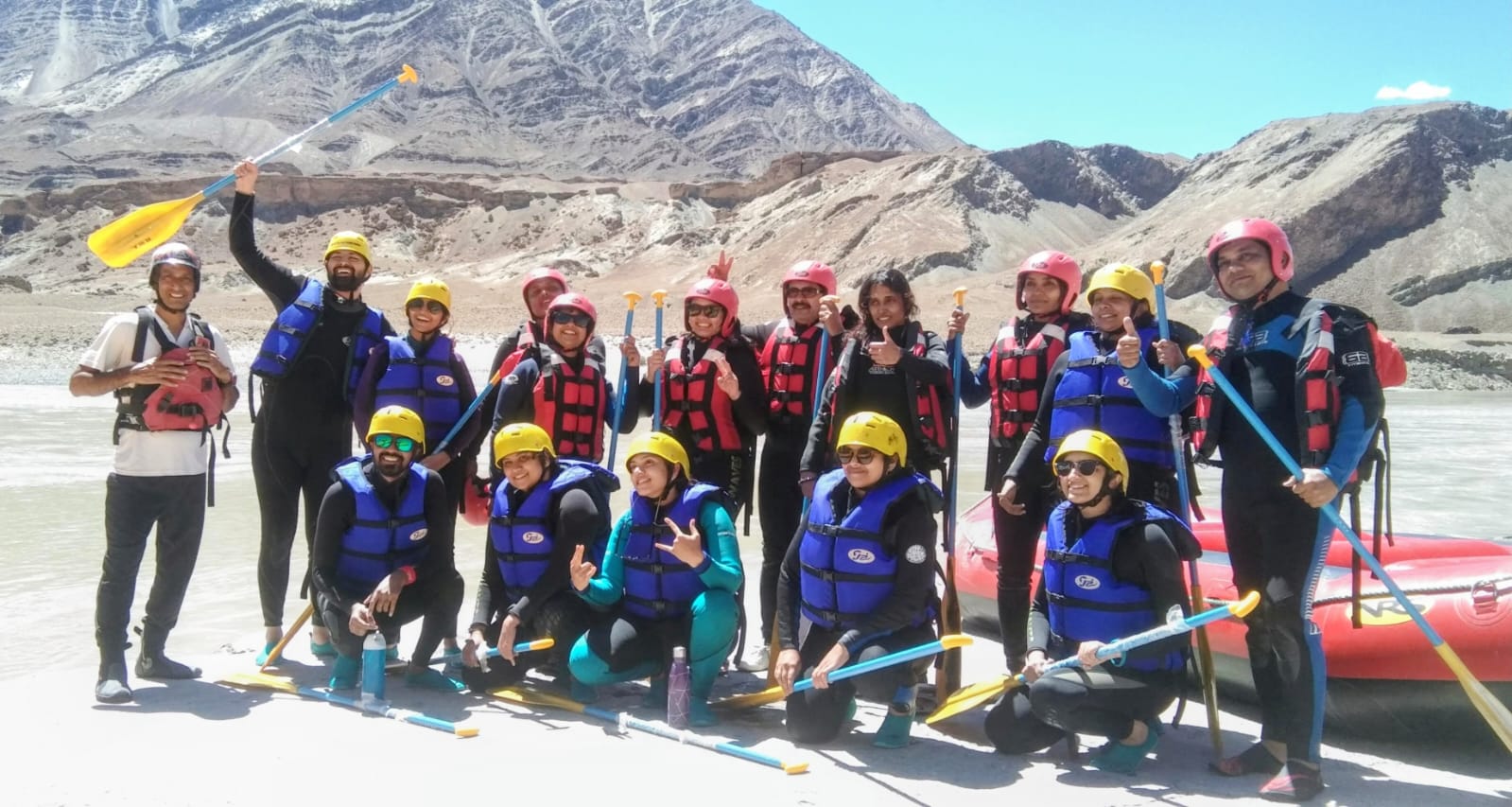

Zanskar River Expedition In Ladakh 2026: 150 KM Through the Grand Canyon of Asia

Zanskar River Expedition 2026: 150 KM Rafting Expedition

There’s a river that flows through a gorge so remote, so spectacularly vertical, that those who’ve rafted it call it a “life-changing experience.” The Zanskar River — carving through the trans-Himalayan landscape of Ladakh — is known worldwide as the Grand Canyon of Asia. Over 150 kilometers of Grade III-IV whitewater, canyon walls rising thousands of feet from the riverbed, nights under star-filled skies at 12,000 feet, and the dramatic finale at the confluence with the mighty Indus. This is not just a rafting trip. This is an expedition into one of Earth’s last true wilderness frontiers.

What Makes the Zanskar River Expedition Legendary

The Zanskar River isn’t just another whitewater destination. It’s a pilgrimage for serious river runners — a self-contained, multi-day expedition through one of the most remote and visually stunning gorges on the planet. While rivers like the Colorado through the Grand Canyon attract thousands annually, the Zanskar sees only a few hundred rafters each year, making it one of the world’s truly exclusive whitewater experiences.

What sets this expedition apart:

  • Total isolation: Once you enter the Zanskar Gorge, there’s no road access. No phone signal. No exit until Nimoo. You’re committed to the canyon.
  • The “Grand Canyon of Asia” designation: Canyon walls rise 2,000-3,000 feet directly from the water, creating a vertical world of multicolored rock formations.
  • Cultural immersion: You’ll pass ancient Buddhist monasteries, prayer flags fluttering from cliffs, and Zanskari villages unchanged for centuries.
  • The dramatic finale: The expedition ends at Sangam — the confluence where the turquoise Zanskar meets the muddy Indus. Two great rivers becoming one.
  • Big-volume glacial whitewater: Cold, powerful water straight from the Drung Durung Glacier creates continuous Grade III-IV rapids.

At White World Expeditions, we’ve been running Himalayan river expeditions since 2012. Our founder has rafted rivers across India, Uganda’s White Nile, and Iran’s Haraz — and he’ll tell you the Zanskar remains his favorite. There’s simply nothing else like it.

The Grand Canyon of Asia: Understanding the Gorge

The name isn’t marketing hyperbole. The Zanskar Gorge earns its title through sheer geological drama.

How the Canyon Was Formed

The Zanskar River originates from the Drung Durung Glacier beneath the Pensi La pass at 14,500 feet. Fed by snowmelt and glacial runoff from the Greater Himalayan and Zanskar ranges, the river has spent millions of years carving through sedimentary rock layers, creating a gorge that exposes the region’s geological history in vivid color bands.

The canyon’s key features:

  • The Red Canyon: A section where iron-rich rock creates stunning crimson walls that glow at sunset
  • The Narrowing: Where the valley constricts from open meadows to sheer vertical walls, sometimes just meters apart
  • The Gate Rapid: Where the entire river forces through an 18-foot (6-meter) gap between rock walls — one of the most dramatic features on any river
  • Waterfall tributaries: Side streams plunging hundreds of feet into the main gorge, creating lunch spots that feel like private amphitheaters

The “Land of White Copper”

Zanskar translates to “Land of White Copper” — a reference to the region’s historical trade in bronze and copper artifacts. The Zanskari people have lived in this remote valley for over a thousand years, their culture shaped by Tibetan Buddhism and the extreme isolation of their homeland. During winter, the Zanskar River freezes solid, becoming the famous Chadar — a frozen highway that villagers trek to reach the outside world.

The same river you’ll raft in summer becomes a walking path in winter. Few rivers in the world offer such dramatic seasonal transformation.

The Journey: From Leh to the Indus Confluence

The Zanskar River Expedition isn’t just about the rafting — it’s a complete Ladakhi odyssey. Here’s how the journey unfolds:

Day 1: Arrival in Leh (3,500m / 11,500 ft)

You land in Leh after a breathtaking flight over the Himalayan peaks — on clear days, you can spot K2 from the window. The first priority: acclimatization. At 11,500 feet, altitude sickness is a real concern. Rest at your 4-star hotel, drink plenty of water, and resist the urge to explore aggressively. In the evening, your expedition leader conducts a briefing covering safety procedures, packing guidelines, and the adventure ahead.

Day 2: The Drive to Padum (200 km)

This isn’t a transfer — it’s a journey. The 8-10 hour drive takes you through Western Ladakh’s most spectacular scenery. You’ll stop at Lamayuru Monastery, cross the Fotu La pass at 13,500 feet, pass through historic Kargil, and eventually reach Rangdum with views of the Nun-Kun massif (7,135m). The road then climbs to Pensi La (14,500 ft) with stunning views of the Drung Durung Glacier — the source of the river you’re about to descend.

Days 3-6: The River Journey

Day 3 — Padum to Zangla: Your first day on the water. The Stod (Doda) River — a tributary of the Zanskar — introduces you to Himalayan whitewater with manageable Grade II-III rapids. Five to six hours of rafting through open valleys surrounded by 6,000-meter peaks. The afternoon brings your first wilderness camp, with options to visit nearby Karsha Monastery.

Day 4 — Zangla to Nyerak: The canyon begins to close in. You enter dramatic gorge formations as the valley narrows. Grade III rapids become more frequent. By afternoon, you reach Nyerak — the most famous campsite in the entire gorge, nestled below a remote village in the narrow canyon.

Day 5 — Nyerak to Lamaguru: This is the big day. Continuous Grade III-IV rapids through the heart of the Zanskar Canyon. The highlight: The Gate Rapid, where the entire river squeezes through an 18-foot gap. You’ll stop for lunch at a waterfall cascading from the canyon wall, then continue through the spectacular Red Canyon section. Camp at Lamaguru at the confluence with the Markha River.

Day 6 — The Finale to Sangam: The last stretch features Grade III-IV rapids as the Zanskar prepares to meet the Indus. You pass Chilling Village — famous for traditional copper craftsmanship — and navigate exciting whitewater until the canyon opens and you see it: the Sangam. The turquoise Zanskar meeting the brown Indus. Two of Asia’s great rivers becoming one. From here, you drive back to Leh (1 hour) for hot showers and soft beds.

Days 7-8: Leh Exploration & Departure

Day 7 offers time to explore Leh — visit Thiksey Monastery, Shey Palace, Gurudwara Pathar Sahib, and the Hall of Fame museum. Shop for Ladakhi handicrafts in the old town bazaar. Day 8: Transfer to Leh airport for your flight back to Delhi, carrying memories of one of the world’s great river journeys.

Rapids & Whitewater: What to Expect

The Zanskar River features 30-40 significant rapids over its 150-kilometer course. Unlike technical boulder-garden rivers, the Zanskar is characterized by big-volume whitewater — powerful waves, strong hydraulics, and continuous action created by the massive glacial water flow.

Rapids Classification

Section Grade Character
Padum to Karsha (Day 1) II-III Warm-up section, braided channels, occasional standing waves
Karsha to Zangla (Day 2) II-III Open valley, building intensity, acclimatization to paddling at altitude
Zangla to Nyerak (Day 3) III-IV Gorge entry, continuous rapids, canyon walls begin rising
Nyerak to Lamaguru (Day 4) III-IV Core canyon, “The Gate” rapid, waterfall section, Red Canyon
Lamaguru to Sangam (Day 5) III-IV Continuous whitewater, Chilling rapids, Indus approach

Notable Rapids

  • The Gate Rapid (Grade IV): The signature rapid where the river squeezes through an 18-foot gap between rock walls. Requires precise maneuvering and confident paddling.
  • Chilling Rapids (Grade III-IV): A series of rapids near Chilling village where the canyon begins to open before the Indus confluence.
  • Canyon Entry Rapids (Grade III): Where the valley narrows dramatically and the whitewater becomes continuous.

Water Characteristics

The Zanskar’s water comes directly from the Drung Durung Glacier — expect cold water (8-12°C) even in summer. The river is big-volume with significant hydraulic features: powerful waves, strong eddies, and recirculating holes at major rapids. Full neoprene wetsuits are provided and essential.

Monasteries & Buddhist Culture Along the River

The Zanskar River Expedition isn’t just an adventure — it’s a cultural immersion into one of the world’s most intact Buddhist societies. Over 90% of Ladakh’s population practices Tibetan Buddhism, and the remote Zanskar Valley has preserved traditions that have disappeared elsewhere.

Key Cultural Sites

  • Lamayuru Monastery: Visited on the drive to Padum, this 11th-century Gelugpa monastery features ancient caves where the legendary Buddhist saint Naropa once meditated.
  • Karsha Gompa: The largest monastery in Zanskar, perched on a hillside overlooking the river. Watch the morning light illuminate its white walls from your riverside camp.
  • Zangla: A tiny village with ruins of an ancient royal palace and prayer flags stretching across the valley.
  • Chilling Village: Famous for traditional copper and bronze craftwork — a trade that gives Zanskar its name (“Land of White Copper”).

The Zanskari People

The people you’ll meet along the river live much as their ancestors did centuries ago. Subsistence farming in short summers, Buddhist rituals marking the seasons, and a hospitality that’s legendary among travelers. In several villages, you’ll have opportunities to visit local homes, share butter tea, and experience a way of life that exists nowhere else on Earth.

Wilderness Camping at 12,000 Feet

The Zanskar Expedition is a fully self-contained journey. Every meal, every camp, every piece of equipment floats downriver with you. There are no lodges, no resupply points, no escape routes once you enter the gorge.

Camp Life

  • Locations: Riverside beaches, grassy meadows below villages, sandy strips in the canyon — each night brings a new stunning location
  • Tents: 4-season dome tents on twin-sharing basis, designed for high-altitude conditions
  • Dining: Full kitchen and dining tent with tables and chairs; freshly prepared Indian, Chinese, and Continental meals
  • Facilities: Portable toilet tents at each camp
  • Evenings: BBQ dinners, stargazing at some of the darkest skies on Earth, sharing stories around the campfire

The Night Sky

At 12,000 feet with zero light pollution, the Zanskar sky is extraordinary. The Milky Way arcs overhead in brilliant detail. Shooting stars are common. Many rafters describe these nights — wrapped in sleeping bags, watching stars through the tent mesh — as the most profound experience of the journey.

Why July-August is the Only Window

Unlike most rivers in India, the Zanskar has an extremely narrow rafting season. Understanding why helps you appreciate the expedition’s exclusive nature.

The Seasonal Cycle

Period Conditions Rafting?
November – February River freezes solid (Chadar trek) No
March – May Snowmelt begins, roads closed, unpredictable flooding No
June Peak snowmelt, dangerously high water levels No
July – August Optimal water levels, stable weather, warm days Yes
September Water dropping, some sections too shallow Limited
October First snows, river too low, passes closing No

July-August Conditions

  • Air Temperature: 20-30°C during the day, 5-10°C at night
  • Water Temperature: 8-12°C (cold but manageable with wetsuits)
  • Weather: Mostly clear and sunny; occasional brief afternoon showers
  • Water Levels: High enough for excellent whitewater, low enough for safety

This narrow 8-week window is why Zanskar expeditions are rare and why early booking is essential.

Altitude & Physical Preparation

The Zanskar Expedition operates at high altitude — higher than any comparable multi-day rafting trip in the world. Proper preparation is essential.

Altitude Profile

  • Leh: 3,500m (11,500 ft) — Your acclimatization base
  • Pensi La (drive): 4,400m (14,500 ft) — Brief exposure during transit
  • River put-in (Padum): 3,600m (11,800 ft)
  • River take-out (Nimoo): 3,100m (10,200 ft)

Acclimatization Protocol

  1. Day 1 in Leh: Rest, hydrate (3-4 liters of water), no strenuous activity
  2. Avoid alcohol: Especially in the first 48 hours — it worsens altitude symptoms
  3. Sleep low: The river descent actually aids acclimatization as you lose altitude
  4. Recognize symptoms: Headache, nausea, fatigue — inform your guide immediately

Physical Fitness Requirements

The expedition requires moderate fitness:

  • Ability to paddle actively for 4-6 hours daily
  • Comfort in cold water (you will get wet)
  • Swimming ability is helpful but not required (life jackets keep you afloat)
  • Age: 16-50 years recommended; exceptions possible with prior experience
  • Weight: 40-100 kg for safety equipment sizing

Preparation tip: In the weeks before, focus on cardio fitness (running, cycling, swimming) and core strength. At altitude, your body works harder — arriving fit makes the paddling more enjoyable.

What to Bring on the Expedition

Provided by White World Expeditions

  • All rafting equipment (raft, paddles, helmets, PFDs)
  • Neoprene wetsuits and booties
  • Dry bags for personal items on the river
  • Camping equipment (tents, mattresses, kitchen, dining tent)
  • All meals during the expedition
  • Safety kayak and rescue equipment

You Should Bring

  • Sleeping bag: Rated to -10°C (nights are cold at 12,000 feet)
  • Warm layers: Fleece jacket, down jacket, thermal underwear
  • Quick-dry clothing: 2-3 sets of shorts and T-shirts for rafting
  • Warm hat and gloves: For evenings at camp
  • Sun protection: SPF 50+ sunscreen, UV sunglasses, wide-brimmed hat
  • Footwear: Sandals with heel strap for rafting, warm shoes for camp
  • Personal medications
  • Camera: Waterproof or with waterproof case (highly recommended)
  • Headlamp: With extra batteries
  • Water bottle: With carabiner clip

Leave Behind

  • Cotton clothing (doesn’t dry, gets cold)
  • Valuable jewelry
  • Excessive electronics (no charging available on the river)

2026 Departure Dates & Pricing

Our Zanskar River Expedition runs fixed departures during the short July-August window. Group sizes are limited to 18 participants to maintain expedition quality and minimize environmental impact.

Departure Date Return Date Status
July 15, 2026 July 22, 2026 Available
July 27, 2026 August 3, 2026 Available
August 11, 2026 August 18, 2026 Available
August 22, 2026 August 29, 2026 Available

Expedition Price

₹80,000 per person

(For groups of 8 or more participants)

Regular Price: ₹1,20,000

What’s Included

  • 6 nights accommodation (hotel in Leh + riverside camps)
  • All meals from Day 1 dinner to Day 8 breakfast
  • All transportation in Ladakh (airport transfers, drive to Padum, return from Sangam)
  • Complete rafting equipment and safety gear
  • Experienced river guides and safety kayakers
  • Camping equipment and crew
  • Inner line permits and forest fees
  • Monastery visits in Leh

What’s Not Included

  • Flights to/from Leh (book early — seats fill quickly in summer)
  • Sleeping bag (can be rented locally if needed)
  • Personal travel insurance (mandatory)
  • Personal expenses, alcoholic beverages
  • Tips for crew (optional but appreciated)

Reserve Your Spot on the 2026 Zanskar Expedition

Only 18 seats per departure. Only 4 departures per year. This is one of the world’s rarest whitewater experiences.

View Full Details & Book Now

📞 Call: +91-9411527295 (Mr. Bheem) | +91-9711088020 (Mr. Deepak)

Frequently Asked Questions

What is the Zanskar River Expedition?

The Zanskar River Expedition is a multi-day whitewater rafting adventure through the Zanskar Gorge in Ladakh, often called the “Grand Canyon of Asia.” The expedition covers 120-150 km over 6-8 days, featuring Grade III-IV rapids, wilderness camping at 12,000 feet, and culminates at the spectacular confluence with the mighty Indus River near Nimoo village. It’s a fully self-contained expedition with no road access once you enter the canyon.

When is the best time for Zanskar River rafting?

The only time for Zanskar River rafting is July and August. This narrow 8-week window exists because Ladakh’s extreme winters freeze the river solid (the famous Chadar trek happens on frozen Zanskar), while June sees dangerous snowmelt floods. July-August offers optimal water levels, warm daytime temperatures (20-30°C), and stable weather conditions. September may still be possible but with lower water levels.

How difficult is the Zanskar River Expedition?

The Zanskar River Expedition is rated moderate to challenging with Grade II-IV rapids. The first two days feature easier Grade II-III rapids for acclimatization, while the core canyon section includes continuous Grade III rapids and several Grade IV sections including the famous “Gate Rapid” where the river squeezes through an 18-foot gap. Prior rafting experience is helpful but not mandatory — our guides will train you on paddling techniques.

What is the altitude on the Zanskar River?

The Zanskar River Expedition operates at high altitude. Leh sits at 3,500m (11,500 ft), while the river journey ranges from 3,600m to 3,100m (losing altitude as you descend). The drive to the put-in point crosses Pensi La pass at 4,400m (14,500 ft). Proper acclimatization in Leh for 1-2 days before starting is essential to prevent altitude sickness. Symptoms include headache, nausea, and fatigue.

How much does the Zanskar River Expedition cost?

The Zanskar River Expedition costs ₹80,000 per person for groups of 8+ participants (regular price ₹1,20,000). This includes 6 nights accommodation (hotel in Leh + riverside camps), all meals during the expedition, transportation in Ladakh, professional guides and safety kayakers, complete rafting gear, camping equipment, and permits. Flights to Leh, sleeping bags, and personal insurance are typically extra.

Why is Zanskar called the Grand Canyon of Asia?

The Zanskar Gorge is called the “Grand Canyon of Asia” because of its spectacular canyon formations where sheer walls rise 2,000-3,000 feet directly from the riverbed. The narrow gorge features dramatic rock formations, multicolored canyon walls (especially the famous “Red Canyon” section), and creates a complete sense of isolation from the outside world — mirroring the grandeur of America’s Grand Canyon but with the added drama of Himalayan peaks.

Do I need prior rafting experience?

Prior experience is helpful but not mandatory. The expedition begins with easier Grade II-III sections that allow you to learn paddling techniques and get comfortable with the river before entering the more challenging canyon. Our experienced guides provide thorough safety briefings and training. However, you should be comfortable in water, have moderate fitness, and be prepared for 4-6 hours of active paddling daily.

Where does the Zanskar River Expedition start and end?

The expedition starts at Padum (on the Stod/Doda River tributary) and ends at Nimoo village at the confluence of the Zanskar and Indus rivers (called Sangam). The journey passes through Karsha, Zangla, Nyerak, and Chilling, covering approximately 150 km over 4-5 rafting days. The dramatic finale — watching the turquoise Zanskar meet the muddy Indus — is one of the expedition’s most memorable moments.

Why Choose White World Expeditions for Zanskar

The Zanskar River Expedition requires more than enthusiasm — it demands expertise. Here’s why adventurers trust White World Expeditions:

  • 22+ Years of Himalayan River Experience: Our founder Bheem Singh Chauhan has led expeditions across 17+ rivers including Ganga, Alaknanda, Zanskar, Brahmaputra, White Nile (Uganda), and Haraz (Iran).
  • IRF & Rescue 3 Certified Guides: International Rafting Federation certification and Rescue 3 International training — the global gold standards for river safety.
  • The Only 84 km Ganga Expedition Operator: We pioneered multi-day expeditions in Uttarakhand. The Zanskar is our premium Himalayan offering.
  • 4.8-Star Rating (820+ Reviews): Our track record speaks for itself across Google and TripAdvisor.
  • Complete Expedition Logistics: From Leh airport pickup to return — every detail handled by our experienced operations team.

About the Author

Bheem Singh Chauhan

Founder & Expedition Leader, White World Expeditions

With over 22 years of professional river experience, Bheem Singh Chauhan is one of India’s most accomplished expedition leaders. He holds IRF (International Rafting Federation) certification, Rescue 3 International WRT & RRC credentials, and Wilderness First Responder training from the USA.

Bheem has led expeditions across 17+ rivers worldwide including the Ganga, Alaknanda, Zanskar, Brahmaputra, Teesta, Indus, Kali, White Nile (Uganda), and Haraz (Iran). He pioneered the 84 km Ganga River Expedition — a journey no other operator in Rishikesh offers — and leads select Zanskar expeditions personally each summer.

Under his leadership, White World Expeditions has become India’s premier adventure company with a 4.8-star rating across 820+ reviews. The company is registered with Uttarakhand Tourism, GNR (Ganga Nadi Rafting), and holds all required permits for Himalayan river operations.

Contact: +91-9411527295 | Read Full Profile

The Grand Canyon of Asia Awaits

Only 72 seats available across all 2026 departures. Only 8 weeks per year when the river runs. This is one of Earth’s truly exclusive adventures — join us for a journey you’ll remember forever.

22+ Years Experience | IRF & Rescue 3 Certified | 4.8★ (820+ Reviews) | Government Registered

error: Content is protected !!