

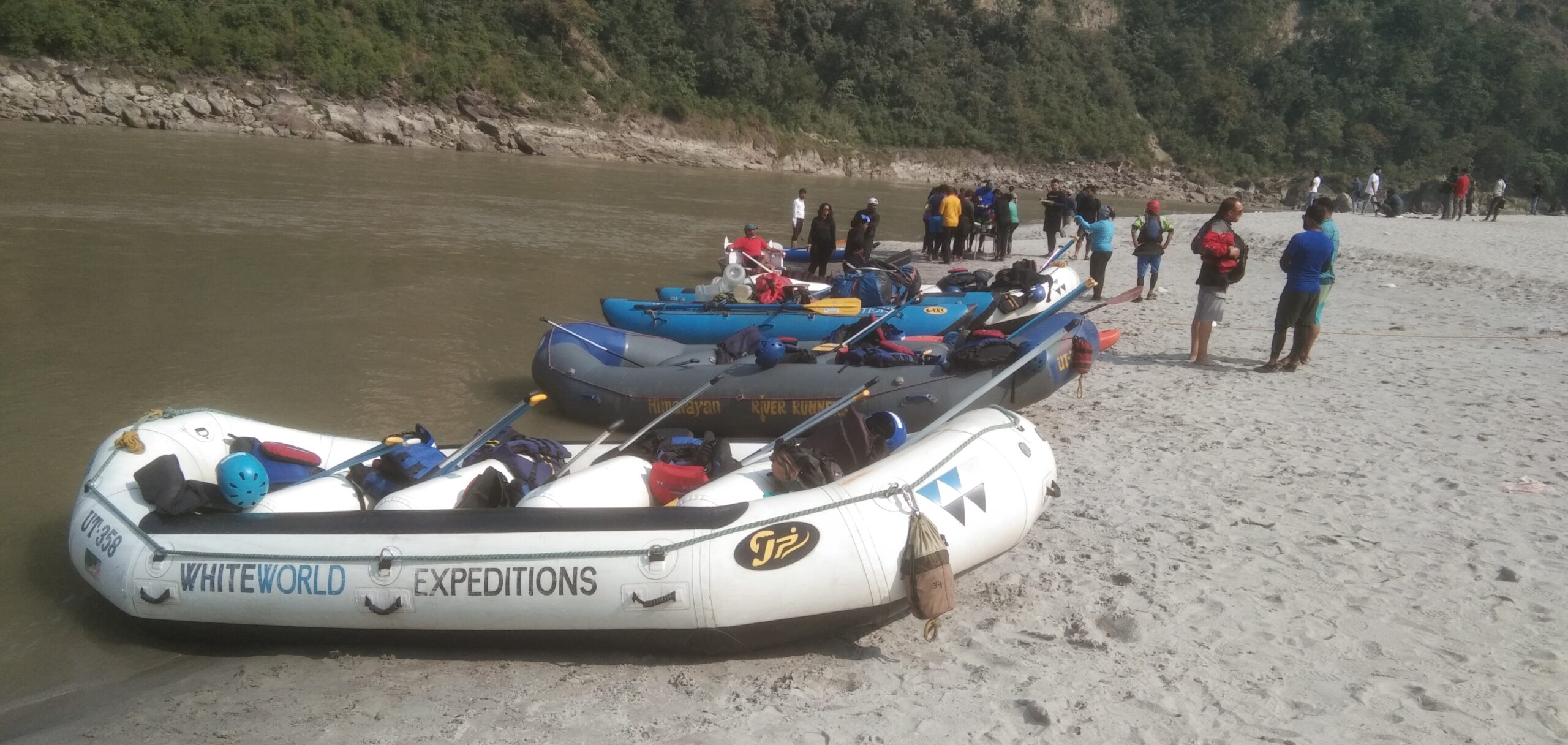
Understanding Safety During Rishikesh Rafting
River rafting is an outdoor activity that depends heavily on preparation, coordination, and professional supervision. Rishikesh, widely recognized as India’s “Adventure Capital,” attracts thousands of rafting enthusiasts annually to experience the sacred Ganges River as it emerges fresh from the Himalayas. The combination of spiritual significance, natural beauty, and adrenaline-pumping rapids creates an unmatched adventure destination.
However, this excitement must be balanced with thorough safety awareness. The Ganges presents dynamic conditions where water flow, weather patterns, and group coordination can change rapidly. Understanding safety guidelines before getting on the river helps travellers feel confident and ensures the experience remains enjoyable rather than stressful, especially for those trying rafting for the first time.
Well-managed rafting activities prioritise preparation and briefing before the trip begins. Travellers choosing organised rafting in Rishikesh experiences benefit from structured planning that focuses on safety alongside adventure, ensuring participants can fully engage with the thrill while remaining protected.
Why Safety Awareness Matters Before Rafting
Rafting takes place on a natural river where weather conditions, water flow, and group coordination can change quickly, affecting the overall rafting experience. Unlike controlled recreational environments, rivers present unpredictable elements demanding constant vigilance. Water levels fluctuate based on upstream dam releases and rainfall, weather patterns shift with mountain terrain, and coordination between paddlers directly influences raft handling through challenging sections.
The Ganges near Rishikesh features rapids classified from Grade I (easy) to Grade V (extremely challenging), each presenting distinct safety considerations. Grade I and II rapids suit beginners and families, while Grade III and IV sections demand previous experience, strong physical conditioning, and water confidence to ensure a safe and enjoyable experience. Understanding these classifications helps participants select appropriate routes for their rafting experience.
Recent incidents have reinforced the critical importance of following safety protocols diligently. When participants understand potential risks and proper emergency responses, uncertainty transforms into confidence. This psychological preparation proves equally valuable as physical readiness when facing white water challenges on the river.
What Happens During a Pre-Raft Safety Briefing
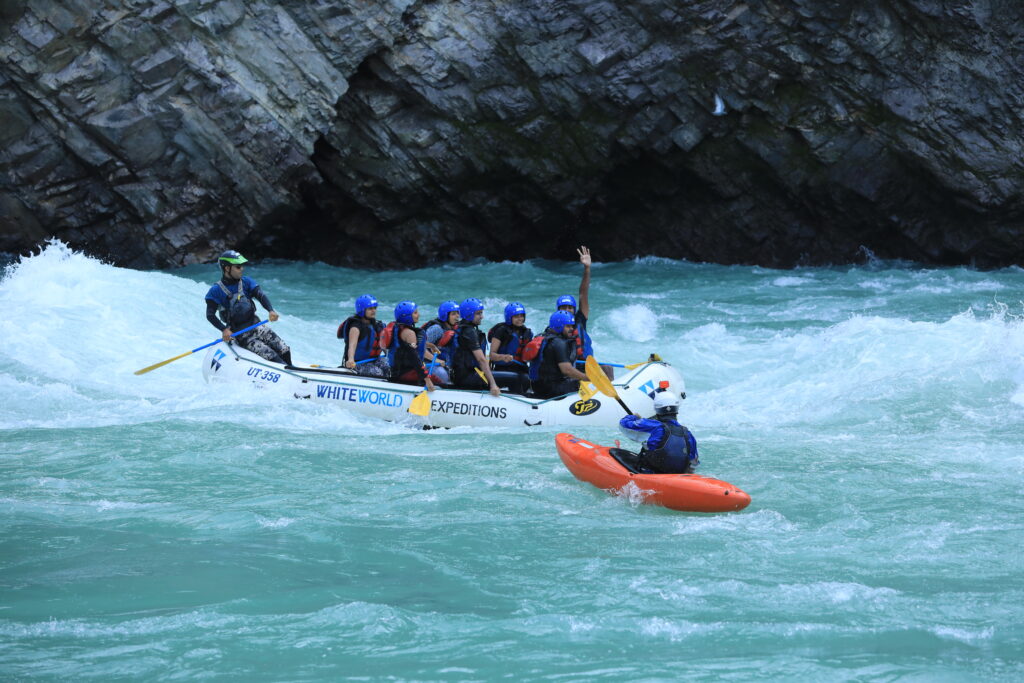
Before entering the river, guides explain paddling techniques, raft positioning, and basic commands used during rafting. These comprehensive briefings transfer critical knowledge from experienced professionals to participants, covering proper paddle grip, stroke technique, and the specific verbal commands used throughout the journey.
Essential commands include “forward paddle,” “back paddle,” “stop,” and “hold on.” Participants learn the crucial “high side” manoeuvre, requiring everyone to shift weight toward the elevated side when the raft tilts dangerously. This collective weight shift prevents capsizing and demonstrates why coordinated responses matter during rapids.
The briefing also covers what to do in case someone falls into the water and how to respond calmly. The defensive swimming position requires floating on your back with feet pointed downstream to deflect rocks and obstacles. Participants learn breathing techniques for turbulent water and methods for returning to the raft safely.
Professional operators conducting professional river rafting trips in Rishikesh ensure that these briefings are detailed and never rushed. Quality operators allocate fifteen to thirty minutes for comprehensive instruction, including demonstrations and practice opportunities before water entry.
Essential Safety Equipment Used on the River
Standard rafting equipment includes properly fitted life jackets, helmets, paddles, and rafts designed for specific river conditions. Each component serves a critical function within the integrated safety system, and understanding proper usage maximises protective benefits throughout the safe river rafting experience.
Life jackets represent the primary safety device during rafting, ensuring you stay afloat in the water. These certified personal flotation devices must fit snugly without restricting movement or breathing, keeping your head above water during immersion. Helmets protect against head injuries from rocks, paddle impacts, or accidental falls, and should never be removed mid-river as conditions change instantly.
Equipment quality plays a major role in overall safety and is crucial for a safe rafting experience. Worn straps, damaged buckles, or deteriorating foam compromise river rafting safety precisely when protection matters most. Reputed operators offering half-day rafting in Rishikesh and longer trips regularly inspect and replace gear to maintain safety standards. Professional operators also carry safety gear like throw bags, first aid kits, and communication devices for emergency situations.
Personal Preparation Before Rafting
Rafting does not require advanced fitness, but basic physical readiness helps ensure full participation and effective response capabilities. The activity involves paddling using arm, shoulder, and core muscles while maintaining balance in a moving raft. Upper body strength proves particularly valuable during extended paddling sessions through multiple rapids.
Wearing quick-dry clothing and secure footwear improves comfort on the river. Stay hydrated and consume light food one to two hours before departure for a safe and enjoyable rafting experience. Your life jacket provides buoyancy, so trust it rather than fighting the current to stay afloat. Avoid loose flip-flops, heavy boots, jeans, or clothing restricting movement.
Travellers should inform guides about any medical concerns beforehand. Heart conditions, asthma, seizure disorders, recent surgeries, and pregnancy warrant discussion before the trip begins. This information enables guides to make appropriate accommodations and monitor for potential issues throughout the journey.
Avoiding heavy meals before rafting is also recommended to prevent discomfort during the activity. Stay hydrated and consume light food one to two hours before departure. Critically, avoid alcohol or drugs before rafting as intoxication impairs judgment and reaction time significantly. Rishikesh authorities have implemented rafting bans during festivals like Holi specifically because intoxicated participants pose serious threats.
Understanding Weather and Seasonal River Conditions
River conditions in Rishikesh vary throughout the year, influencing water speed and rapid intensity. The Ganges responds to seasonal monsoon patterns and upstream dam releases, creating distinctly different experiences depending on visit timing.
During some months, rafting conditions are calmer, while other periods offer stronger currents. The rafting season operates from mid-September through June, with July and August suspended due to dangerous monsoon flooding. October through April offers the best time for river rafting with pleasant weather and manageable water levels, while November through March provides crystal-clear water ideal for beginners.
Operators managing day guided tours in Rishikesh and rafting activities monitor weather conditions and river flow daily to adjust plans when needed. Sudden upstream rainfall can increase water levels within hours, transforming moderate rapids into significantly more challenging obstacles requiring route adjustments.
Choosing Licensed and Responsible Operators
Safety is closely linked to how professionally rafting activities are organised. Licensed operators follow local regulations, maintain trained staff, and adhere to approved safety protocols established by Uttarakhand Tourism Department. Only certified operators receive authorization to conduct rafting tours within designated eco-tourism zones.
Booking through a licensed operator reduces the risk of mismanagement and ensures the activity is conducted responsibly, enhancing your safe and enjoyable rafting experience. top rafting company in Rishikesh reduces the risk of mismanagement and ensures the activity is conducted responsibly. Reputable companies invest in comprehensive staff training, rigorous equipment maintenance, and proven safety systems. They carry appropriate insurance and maintain rescue capabilities.
When evaluating operators, ask about guide certifications, equipment maintenance schedules, and safety records to ensure a safe rafting experience. Legitimate operators welcome such questions about their rafting safety tips. Reports indicate approximately 310 illegal operators exist in Rishikesh compared to around 140 licensed companies, making verification essential before booking.
Warning Signs of Unsafe Operators
Watch for rushed or incomplete safety briefings, worn or damaged equipment, guides unable to answer emergency procedure questions, and overcrowded rafts beyond manufacturer recommendations. Operators dismissing safety questions or becoming defensive may have concerning practices. Trust your instincts; choosing a different provider proves wiser than proceeding with reservations.
Safe Route Selection by Experience Level
Rishikesh offers multiple rafting stretches catering to different experience levels. Brahmpuri to Rishikesh (9 km) features Grade I rapids perfect for beginners and families, accommodating participants aged 12-60. Shivpuri to Rishikesh (16 km) combines Grade I and II rapids offering slightly more challenge while remaining accessible. Marine Drive to Rishikesh (26 km) presents moderate difficulty with Grade II-III rapids requiring some confidence.
Kaudiyala to Rishikesh (36 km) includes Grade III-IV rapids reserved exclusively for experienced rafters aged 18 and above. Be honest about your abilities when booking rather than overestimating skills, as selecting overly challenging routes creates dangerous situations for yourself and fellow participants.
How Safety Practices Improve the Overall Experience
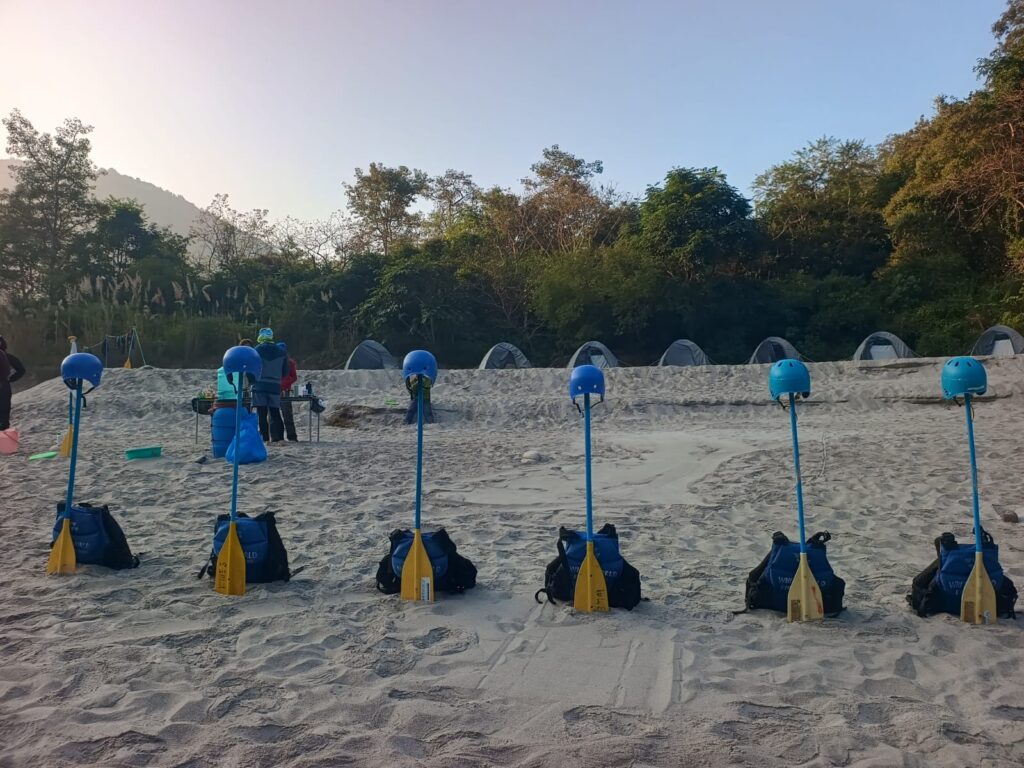
When safety is handled properly, participants can focus on enjoying the river rather than worrying about risks. Clear instructions, reliable equipment, and experienced guides create trust and comfort throughout the trip. The psychological freedom from knowing you’re in capable hands allows full engagement with natural beauty and rapid excitement.
Travellers planning multi-activity itineraries often combine rafting with outdoor stays such as rafting camping in Rishikesh or explore nearby experiences listed under best camping in Rishikesh to make the most of their visit. These combined experiences create comprehensive adventure packages maintaining safety standards across all activities.
Frequently Asked Questions About Safety During Rishikesh Rafting
Is river rafting safe in Rishikesh?
Yes, river rafting in Rishikesh is safe when conducted with licensed operators following established rafting safety tips. Safety measures include certified guides trained in water rescue and CPR, mandatory life jackets and helmets, regular equipment inspections, and seasonal restrictions during dangerous monsoon months. Choosing authorized operators significantly reduces risks.
What safety equipment is mandatory for Rishikesh rafting?
Mandatory equipment includes properly fitted life jackets (personal flotation devices), protective helmets, and appropriate paddles. Life jackets must fit snugly and remain secured throughout the journey. Professional operators also carry throw bags, first aid kits, and communication devices for emergency response.
What should I do if I fall into the river while rafting?
Stay calm and assume the defensive swimming position: float on your back with feet pointed downstream to deflect obstacles. Keep your face upward to prevent water inhalation. Make your rafting journey memorable by prioritising river rafting safety from planning through your final moments on the water. Wait for rescue or grab throw ropes offered by guides.
What is the best time for safe rafting in Rishikesh?
The safest rafting season runs from mid-September through June. October to April offers optimal conditions with pleasant weather. November through March provides crystal-clear water ideal for beginners. Avoid July and August when monsoon flooding creates dangerous conditions and rafting suspends entirely due to high water levels.
Can non-swimmers do rafting in Rishikesh?
Yes, non-swimmers can participate on Grade I-II routes like Brahmpuri to Rishikesh, ensuring they are provided with proper safety gear. Life jackets provide sufficient buoyancy regardless of swimming ability. Disclose limitations to guides during briefings and avoid Grade IV-V rapids which require water confidence and swimming skills for safety.
What are the age restrictions for rafting in Rishikesh?
Grade I-II rapids accommodate participants aged 12-60 years. Challenging Grade III-IV stretches require minimum age 18. Children under 12 cannot participate in most rafting activities, as they may not be suited for the rafting experience. Elderly participants should consult doctors beforehand and select gentler routes matching their physical capabilities.
What clothing should I wear for safe rafting?
Wear quick-drying synthetic clothing and secure footwear like sandals with heel straps or water shoes. Avoid cotton that becomes heavy when wet, flip-flops, jeans, sarees, or restrictive clothing. During winter months (November-February), operators provide wet suits for cold water protection.
How do I verify if a rafting operator is licensed?
Licensed operators display Uttarakhand Tourism Department certification, which guarantees safe river rafting practices. Ask to see current licenses and professional guide certifications before booking. Legitimate operators welcome verification requests and provide transparent answers. Local tourism offices can confirm authorized operators within designated eco-tourism zones.
Conclusion
Safety during Rishikesh rafting transforms from abstract concern into actionable knowledge when you partner with experienced professionals who prioritise your wellbeing. Key principles remain consistent: choose licensed operators with proven track records, attend safety briefings attentively, wear equipment correctly, follow guide instructions immediately, and select routes matching your abilities honestly.
These practices don’t diminish adventure; they enable full engagement by removing unnecessary worry. When you book with trusted operators like White World Expeditions, you gain access to certified guides, premium safety equipment, and years of expertise navigating the Ganges. Their commitment to safety standards ensures every rafting experience combines thrilling adventure with complete peace of mind.
The rivers of Rishikesh await with challenges and rewards in equal measure. Approach them with respect, preparation, and confidence by choosing White World Expeditions for your next adventure, and you’ll discover why this destination continues captivating adventure seekers from around the world. Avoid cotton clothing that becomes heavy when wet; synthetic materials dry quickly and maintain insulating properties, contributing to a safe and enjoyable experience.
Safety During Rishikesh Rafting: Complete Guide to a Secure White Water Adventure
Quick Summary: Safety during Rishikesh rafting requires choosing licensed operators, wearing proper equipment, following guide instructions, and selecting routes matching your skill level. This comprehensive guide covers essential safety protocols helping first-time and experienced rafters navigate the Ganges River confidently while enjoying an unforgettable adventure.